Drama
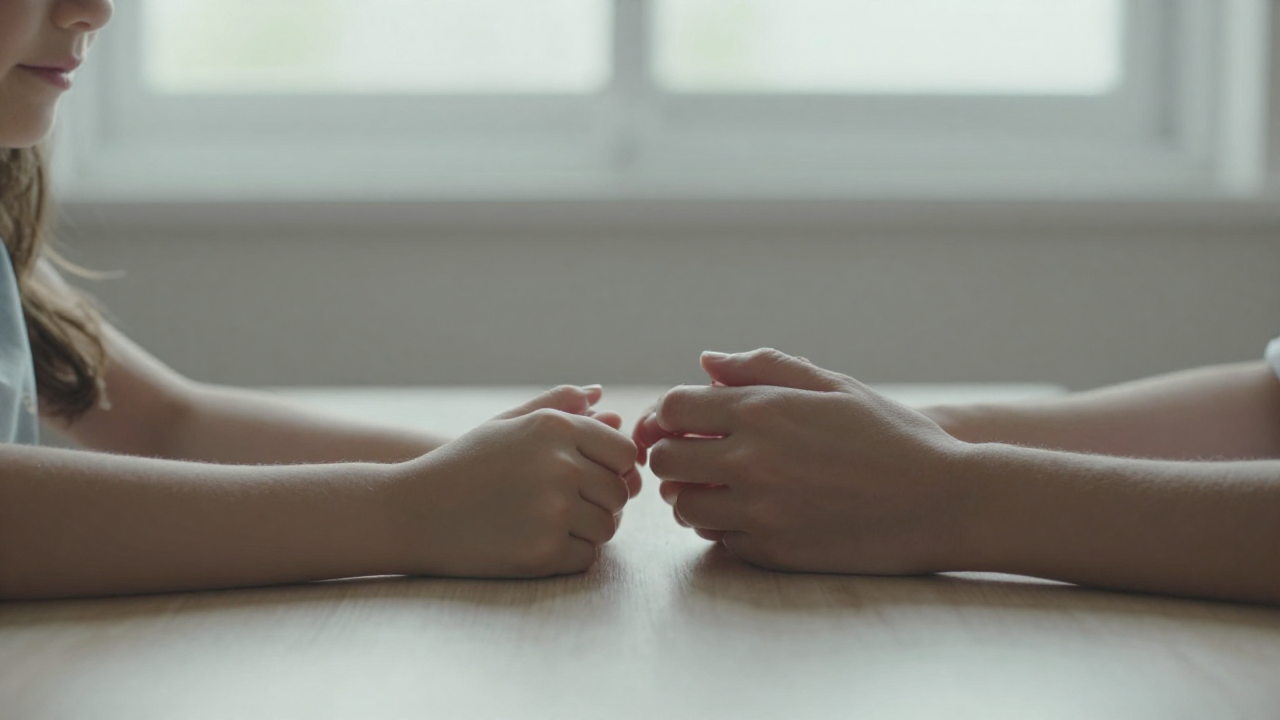
Drama focuses on human emotion and interpersonal dynamics. Visual storytelling emphasizes character intimacy, psychological states, and relationships. Compositions draw viewers into emotional experiences through framing choices that feel personal and revelatory rather than spectacular.
Visual Characteristics
- Visual Language: Close-ups and medium close-ups dominate to capture subtle performances. Eye-level framing creates empathy. Shallow depth of field isolates characters emotionally. Motivated camera movements follow emotional beats. Naturalistic staging and blocking.
- Lighting: Naturalistic, motivated lighting that feels real. Soft light for intimate moments, harder light for tension. Window light, practicals, and natural sources. Lighting that reveals character psychology. Subtle changes in lighting to reflect emotional shifts.
- Color Palette: Naturalistic with subtle color grading to enhance mood. Warm tones for intimacy and nostalgia. Cool tones for distance or melancholy. Desaturation for bleakness or realism. Color as emotional punctuation rather than spectacle.
- Pacing: Measured pacing that allows moments to breathe. Longer takes to let performances unfold. Cuts motivated by emotional shifts rather than action. Shot-reverse-shot for dialogue with attention to listening. Hold on reactions to register emotional impact.
Essential Shots
Related Genres
Ready to Apply This Technique?
Use Filmvision AI to visualize your ideas with storyboards and AI-generated imagery. Bring your screenplay to life before you shoot.
Start Free