Rembrandt Lighting
Named after the Dutch master painter, this technique creates a distinctive triangle of light on the subject's cheek opposite the key light. The setup places the key light at roughly 45 degrees to the side and slightly above the subject, producing a dramatic yet flattering look. The signature inverted triangle under the eye adds depth and classical elegance to portraits.
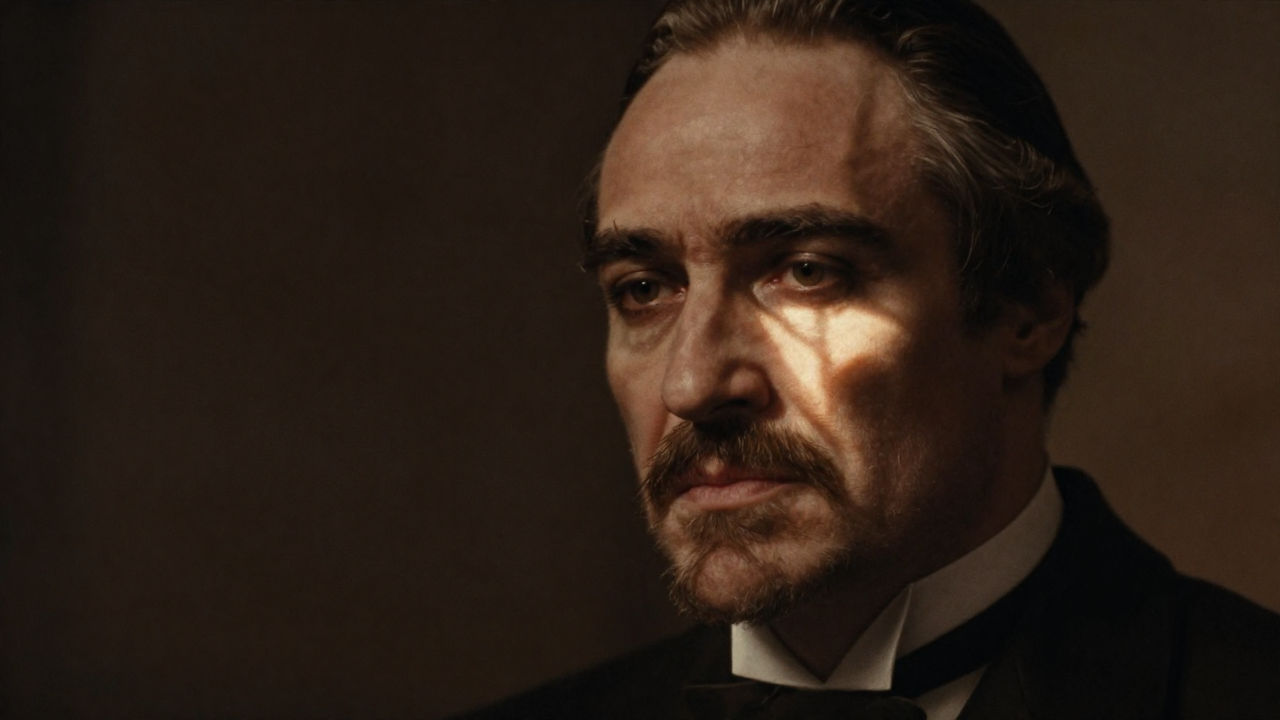
When to Use
- Portrait-style interviews demanding artistic sophistication
- Character-driven dramas requiring psychological depth
- Period pieces evoking classical painting aesthetics
- Dramatic close-ups where you want strong facial modeling
Famous Examples
Barry Lyndon (1975)
Indoor candlelit portrait scenes
The Godfather Part II (1974)
Young Vito's tenement apartment scenes
American Beauty (1999)
Lester's introspective bedroom moments
Related Techniques
Ready to Apply This Technique?
Use Filmvision AI to visualize your ideas with storyboards and AI-generated imagery. Bring your screenplay to life before you shoot.
Start Free