Dutch Angle
Tilts the camera on its axis so the horizon line is diagonal, creating visual unease and disorientation. Also called a canted angle or oblique angle, this technique signals psychological instability, tension, or a world out of balance. It breaks the viewer's sense of natural equilibrium to suggest something is wrong.
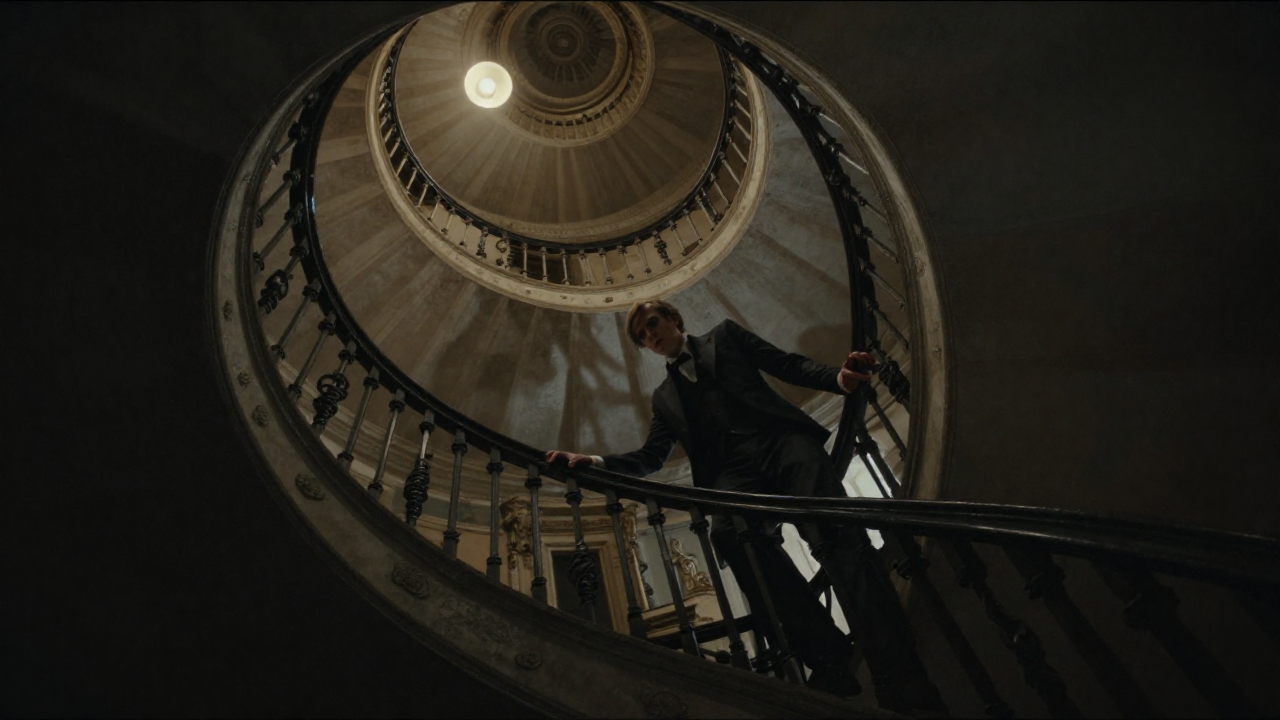
When to Use
- Signaling psychological instability or mental breakdown
- Creating visual tension during moments of chaos or danger
- Emphasizing a villain's twisted perspective or moral corruption
- Action sequences that require dynamic, kinetic energy
Famous Examples
The Third Man (1949)
Throughout Vienna's corrupt underground scenes
Battlefield Earth (2000)
Overused throughout to suggest alien perspective
Thor (2011)
Loki's scenes emphasizing his unstable nature
Related Techniques
Ready to Apply This Technique?
Use Filmvision AI to visualize your ideas with storyboards and AI-generated imagery. Bring your screenplay to life before you shoot.
Start Free