Full Shot
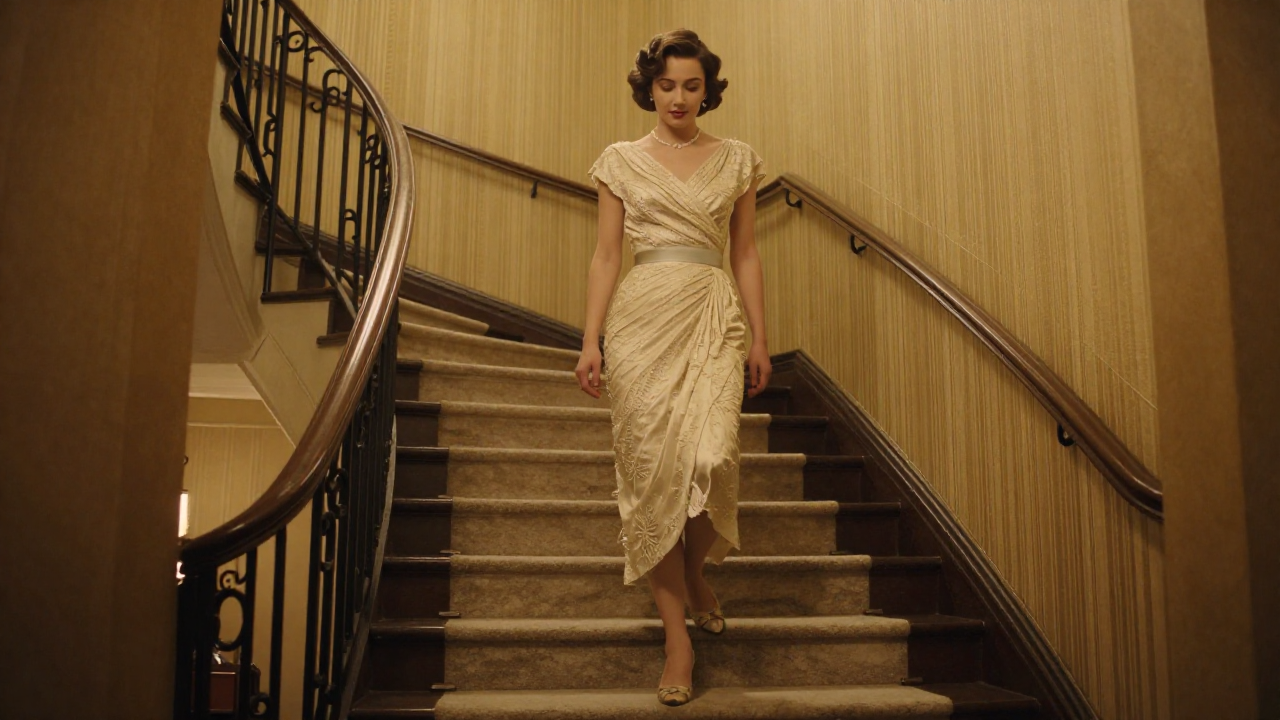
Frames the subject so their entire body fills the frame vertically, with head near the top and feet near the bottom. Unlike a wide shot where the subject appears smaller within their environment, a full shot keeps the character prominent while showing complete body language. It's essential for showcasing physicality, costume, and character introductions.
When to Use
- Introducing characters to show their complete appearance and stature
- Capturing full body performances including dance or fight sequences
- Revealing costume design and physical character traits
- Showing entrances and exits with complete spatial awareness
Famous Examples
Singin' in the Rain (1952)
Gene Kelly's full-body dance in the rain
Django Unchained (2012)
Django's reveal in his blue suit
Kill Bill: Vol. 1 (2003)
The Bride in her yellow tracksuit at the House of Blue Leaves
Related Techniques
Ready to Apply This Technique?
Use Filmvision AI to visualize your ideas with storyboards and AI-generated imagery. Bring your screenplay to life before you shoot.
Start Free