Documentary
Documentary visual language balances aesthetic craft with journalistic integrity. Compositions must feel authentic while remaining compelling. The camera captures reality as it unfolds, requiring adaptability and ethical framing choices that respect subjects while serving the story.
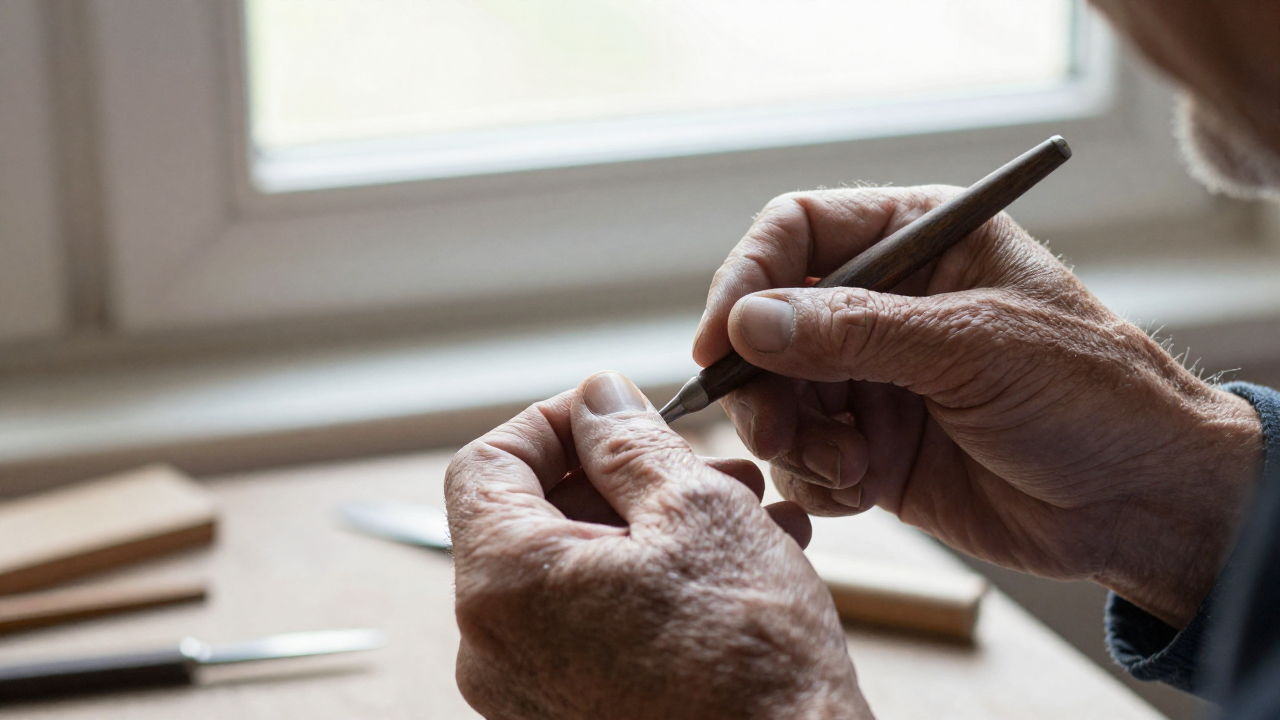
Visual Characteristics
- Visual Language: Observational camera work that feels present but not intrusive. Handheld for immediacy and authenticity. Static shots for formal interviews and contemplation. Natural framing without excessive stylization. Real locations and available light. Capturing moments as they happen.
- Lighting: Available light whenever possible for authenticity. Subtle lighting augmentation for interviews. Natural window light. Practical sources in environments. Three-point lighting for formal interviews but kept naturalistic. Exposing for subjects even in challenging conditions.
- Color Palette: Naturalistic color grading that doesn't manipulate reality. True-to-life skin tones and environments. Color correction for consistency across locations and lighting conditions. Minimal stylization unless artistic intent is transparent. Authenticity over aesthetics.
- Pacing: Pacing serves the narrative and editorial perspective. Longer takes for observational sequences. Strategic cutting for information clarity. Montages for time passage or thematic connections. Interview shots intercut with B-roll. Rhythm varies based on subject and tone.
Essential Shots
Related Genres
Ready to Apply This Technique?
Use Filmvision AI to visualize your ideas with storyboards and AI-generated imagery. Bring your screenplay to life before you shoot.
Start Free