Musical
Musical cinematography must seamlessly integrate choreography, performance, and camera movement. The visual style shifts between realism and heightened theatricality, often within the same sequence. Camera becomes a dance partner, framing performances with energy and precision.
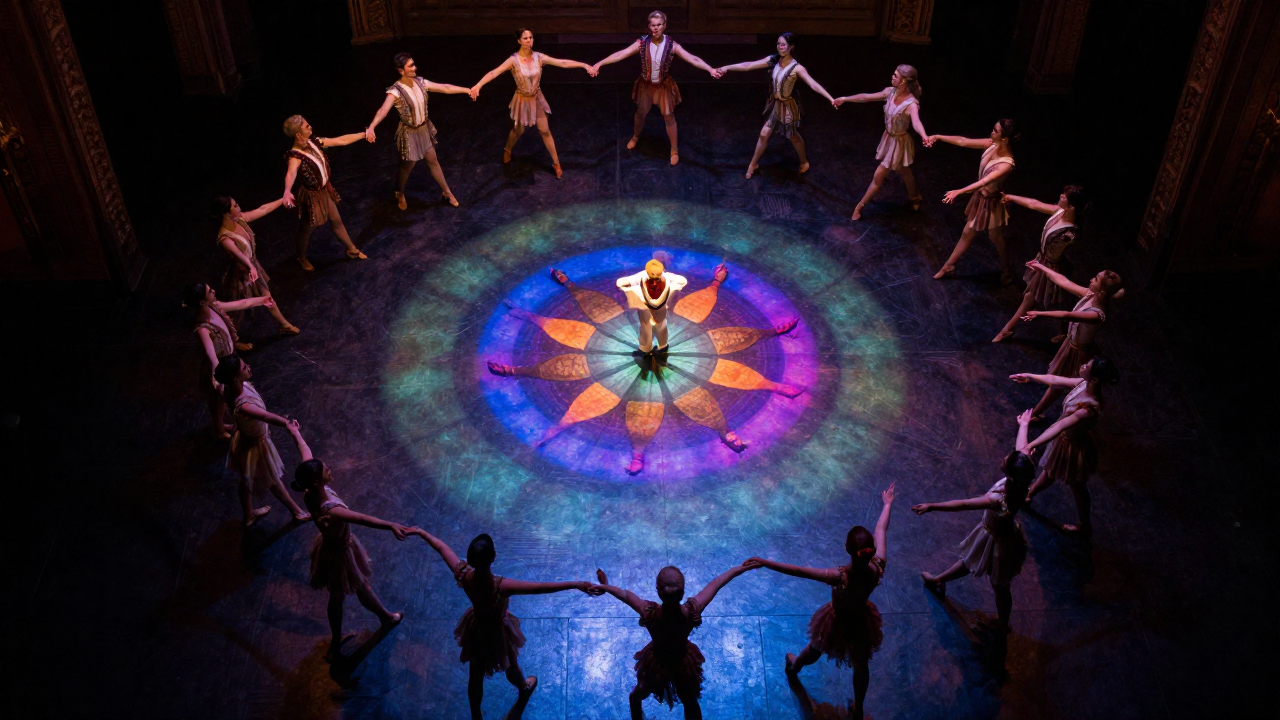
Visual Characteristics
- Visual Language: Wide shots capture full choreography and ensemble performances. Tracking shots follow dancers through space. Crane shots for spectacular reveals and overhead patterns. Medium shots for intimate musical moments. Quick cuts between performers. Long takes for impressive choreography.
- Lighting: Theatrical lighting with bold colors and dramatic contrasts. Stage-inspired lighting with motivated sources. Colored gels and practical lights for energy. High-key for joyful numbers, low-key for dramatic songs. Lighting that enhances choreography and movement.
- Color Palette: Bold, saturated colors that reflect theatrical tradition. Costume colors that pop. Production design with strong color identities. Color choreography between sets, costumes, and lighting. Vibrant primaries. Each number often has a distinct color palette.
- Pacing: Editing rhythm synced to musical beats and phrasing. Long takes for choreography showcases. Quick cuts for energetic montages. Transitions between reality and musical fantasy. Pacing accelerates and decelerates with musical dynamics. Visual rhythm mirrors musical rhythm.
Essential Shots
Related Genres
Ready to Apply This Technique?
Use Filmvision AI to visualize your ideas with storyboards and AI-generated imagery. Bring your screenplay to life before you shoot.
Start Free