Thriller
Thrillers generate suspense through visual manipulation and withheld information. The camera becomes complicit in building tension, using framing and movement to suggest danger, create paranoia, and keep audiences off-balance. Every shot serves the mounting dread.
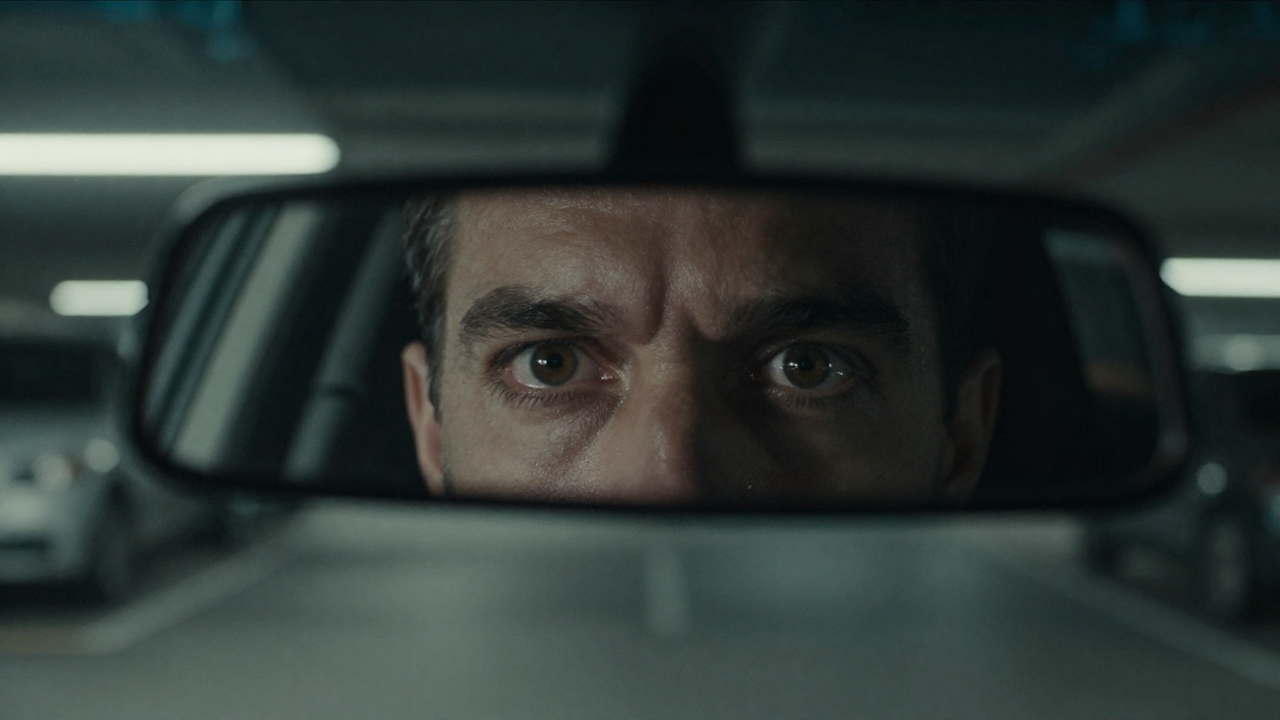
Visual Characteristics
- Visual Language: Tight framing creates claustrophobia and restricts information. Dutch angles and unusual perspectives unsettle viewers. Point-of-view shots establish vulnerability. Deep focus to make audiences search the frame for threats. Shadows and reflections suggest surveillance.
- Lighting: High contrast with motivated darkness. Practical sources create shadows and concealment. Backlighting for silhouettes and anonymity. Pools of light in darkness. Hard light for interrogation scenes. Chiaroscuro for moral ambiguity.
- Color Palette: Desaturated with cool tones dominating. Blues, grays, and blacks create unease. Occasional warm light sources feel suspicious or deceptive. Urban environments with artificial lighting. Color contrast between safety and danger.
- Pacing: Deliberate pacing that builds tension. Long takes increase unease. Quick cuts during revelations or violence. Strategic withholding of visual information. Cross-cutting between multiple timelines or perspectives. Rhythmic escalation toward climax.
Essential Shots
Related Genres
Ready to Apply This Technique?
Use Filmvision AI to visualize your ideas with storyboards and AI-generated imagery. Bring your screenplay to life before you shoot.
Start Free