Action
Action cinema prioritizes kinetic energy, spatial clarity, and visceral impact. Every shot must convey movement, stakes, and geography. The best action filmmaking balances spectacle with coherence, ensuring audiences can follow complex sequences while feeling the physical intensity.
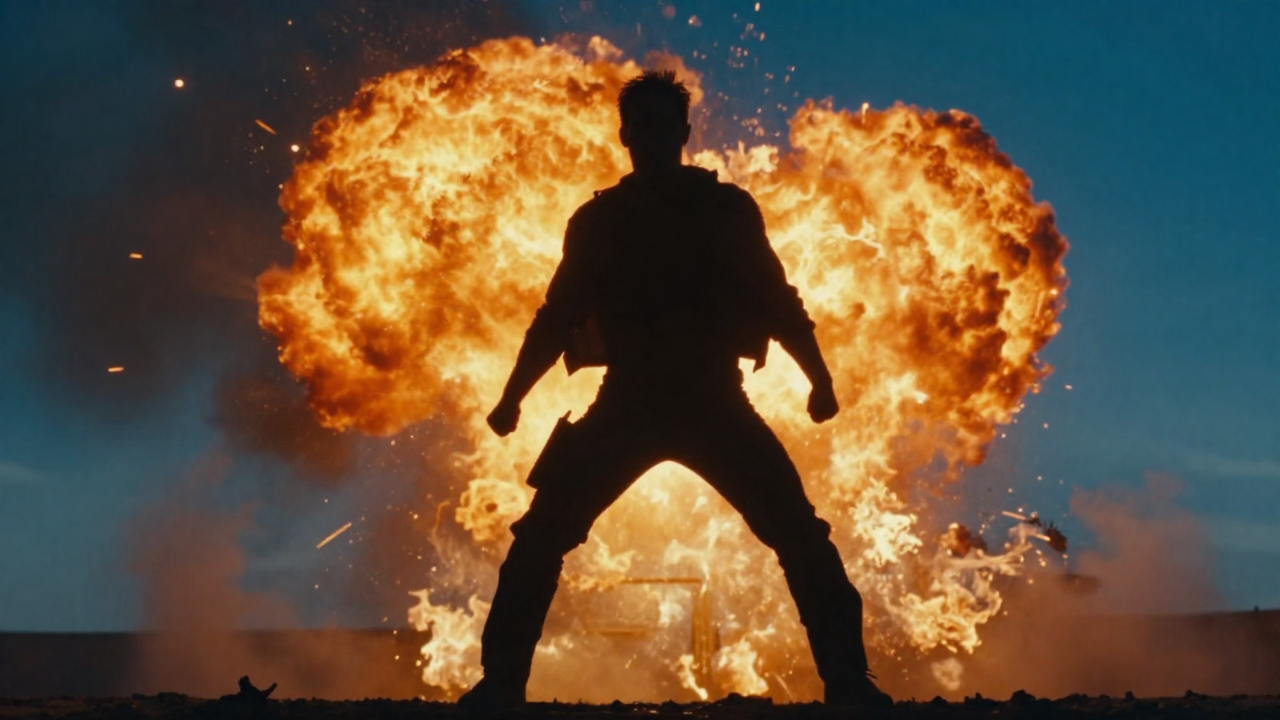
Visual Characteristics
- Visual Language: Wide shots establish geography and action choreography. Dynamic camera movements follow or enhance motion. Quick cuts for intensity, longer takes for impressive choreography. Low angles for power, high angles for vulnerability. Clear eyelines and spatial relationships.
- Lighting: High contrast with dramatic shadows during night sequences. Harsh sunlight for day exteriors. Practical explosions and fire as motivated sources. Backlight to separate subjects from backgrounds. High-key for heroic moments, low-key for stealth sequences.
- Color Palette: Saturated colors for spectacle and energy. Warm oranges and cool blues (often criticized as orange-and-teal). Bold primaries in costumes and vehicles. Color coding for factions or characters. High contrast between elements. Desaturation for gritty realism.
- Pacing: Rapid cutting with clear spatial logic. Longer takes showcase impressive stunts or choreography. Rhythmic escalation building to climaxes. Strategic slow motion for impact moments. Cross-cutting between simultaneous action threads. Sound design drives pacing as much as editing.
Essential Shots
Related Genres
Ready to Apply This Technique?
Use Filmvision AI to visualize your ideas with storyboards and AI-generated imagery. Bring your screenplay to life before you shoot.
Start Free